A brand’s physical environment plays a vital role in its reputation. Roof integrity is often overlooked, yet it directly impacts structural safety and brand perception. Brand managers must be aware of five key signs of a failing roof, which can lead to costly repairs and diminished customer trust. Identifying these indicators early is essential for maintaining a professional image. Understanding how to respond effectively can prevent further complications and protect brand value. What are these significant signs?
Key Takeaways
- Cracked shingles indicate potential structural issues that can undermine brand reliability and professionalism.
- Water stains on ceilings signal moisture intrusion, often revealing underlying roof leaks needing immediate attention.
- Curling edges or missing tiles threaten building integrity and can diminish property value and customer trust.
- Discoloration or granule loss on shingles suggests ineffective protection, increasing risk of leaks and damage.
- Regular inspections and timely repairs are essential to maintain brand reputation and customer assurance.
The Impact of Roof Integrity on Brands
The integrity of a roof plays a pivotal role in the overall perception of a brand. A well-maintained roof conveys reliability and professionalism, fostering trust among consumers. Conversely, signs of a failing roof can markedly tarnish a brand’s image, leading to customer skepticism and diminished loyalty. Brands that neglect roof integrity may face increased operational costs and potential safety hazards, ultimately affecting their bottom line. Additionally, a deteriorating roof can create an uninviting atmosphere, pushing potential customers away. Consequently, brand managers must prioritize roof maintenance as part of their strategic planning. By ensuring a robust roofing system, brands not only protect their physical assets but also enhance their reputation, creating a sense of belonging and assurance for their clientele.
Visible Wear and Tear: Key Signs of a Failing Roof
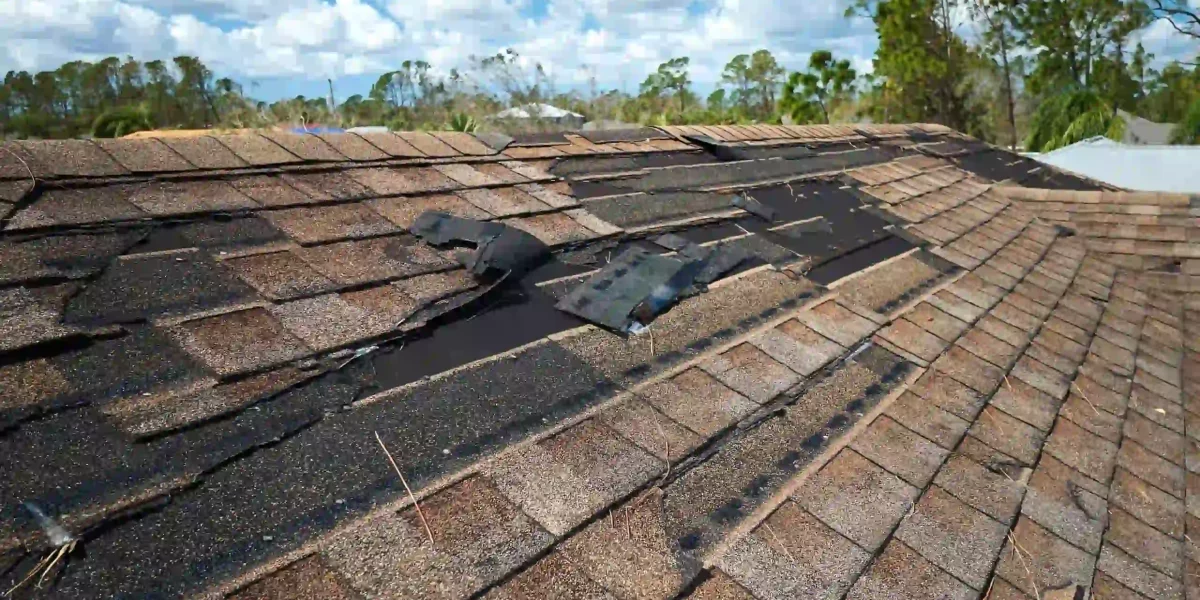
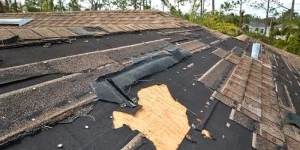
While many may overlook the roof’s condition, visible wear and tear serves as one of the most critical signs of a failing roof. This deterioration can manifest as cracked shingles, curling edges, and missing tiles, each indicating potential structural compromises. Brand managers should recognize that these defects not only threaten the building’s integrity but also tarnish the brand’s image. Furthermore, visible wear can lead to increased maintenance costs and decreased property value, making it essential for brand managers to address these issues promptly. Regular inspections and timely repairs can mitigate further damage, ensuring that the brand remains associated with quality and reliability. Ignoring these symptom of a failing roof could ultimately jeopardize customer trust and brand loyalty.
Water Stains: Clear Signs of a Failing Roof
Often overlooked, water stains on ceilings or walls are clear signs of a failing roof that should not be ignored. These stains indicate moisture intrusion, potentially leading to more significant structural issues. Brand managers must recognize these indicators early to prevent costly repairs.
Key considerations include:
- Location of Stains: Stains near vents or skylights often signal roof leaks.
- Color and Texture: Dark, yellowish, or bubbling stains suggest prolonged moisture exposure.
- Expansion Over Time: If stains increase in size, the problem may be worsening.
- Associated Odors: Unpleasant odors may indicate mold growth, further complicating the issue.
Being proactive about water stains is essential in addressing the symptom of a failing roof effectively.
Shingle Damage: Recognizing Signs of a Failing Roof
Numerous signs of a failing roof can be identified through shingle damage, which is a critical aspect for brand managers to assess. Roof shingles may exhibit curling, cracking, or missing pieces, indicating deterioration. Such damage can compromise the roof’s integrity, leading to potential leaks and increased repair costs. Discoloration or granule loss can further signify that the shingles are no longer effective in protecting against the elements. Understanding these symptom of a failing roof enables brand managers to make informed decisions about property maintenance and brand image preservation. Proactive attention to shingle conditions not only safeguards assets but also fosters a sense of responsibility and community among stakeholders, reinforcing the brand’s commitment to quality and care.
How to Respond to Signs of a Failing Roof
Recognizing shingle damage is only the first step in addressing the signs of a failing roof. Brand managers must act promptly to mitigate further deterioration. Effective responses include:
- Conducting a Professional Inspection: Engage qualified roofing experts to assess the extent of damage.
- Documenting Findings: Keep detailed records of all inspections and repairs for future reference and insurance claims.
- Prioritizing Repairs: Address urgent issues first, such as leaks or structural weaknesses, to prevent additional costs.
- Communicating with Stakeholders: Inform relevant parties about the situation and the planned course of action to foster transparency and trust.
Frequently Asked Questions
How Often Should Roofs Be Inspected for Signs of a Failing Roof?
Roofs should be inspected at least twice a year, ideally in spring and fall. Regular inspections help identify signs of a failing roof early, ensuring timely maintenance and prolonging the roof’s lifespan effectively.
Can a Failing Roof Affect a Brand’s Reputation?
A failing roof can considerably impact a brand’s reputation, leading to negative perceptions among consumers. Visible deterioration may signal neglect, undermining trust and customer loyalty, ultimately affecting a brand’s market position and overall success.
What Are the Costs Associated With Roof Repairs?
The costs associated with roof repairs vary considerably, typically ranging from a few hundred to several thousand dollars, depending on the extent of damage, materials used, and labor, impacting both safety and long-term asset value.
How Long Can a Roof Last Before Showing Signs of Failure?
A roof can last 20 to 50 years, depending on materials and maintenance. However, environmental factors may accelerate deterioration, leading to signs of a failing roof that require timely inspection and intervention for ideal longevity.
Are There Preventative Measures to Avoid Signs of a Failing Roof?
Implementing regular inspections, maintaining drainage systems, and using high-quality materials are essential preventative measures. These strategies considerably reduce the likelihood of encountering signs of a failing roof, ensuring longevity and reliability for property owners.
Conclusion
To summarize, brand managers must prioritize roof integrity as a fundamental aspect of maintaining their company’s reputation. Recognizing the key signs of a failing roof—such as visible wear, water stains, and shingle damage—enables proactive measures that protect both structural integrity and brand value. By conducting regular inspections and addressing issues promptly, brands can uphold customer trust and guarantee a professional appearance. Ultimately, safeguarding the roof is an investment in the brand’s long-term success and resilience.
May You Also Like To Read: