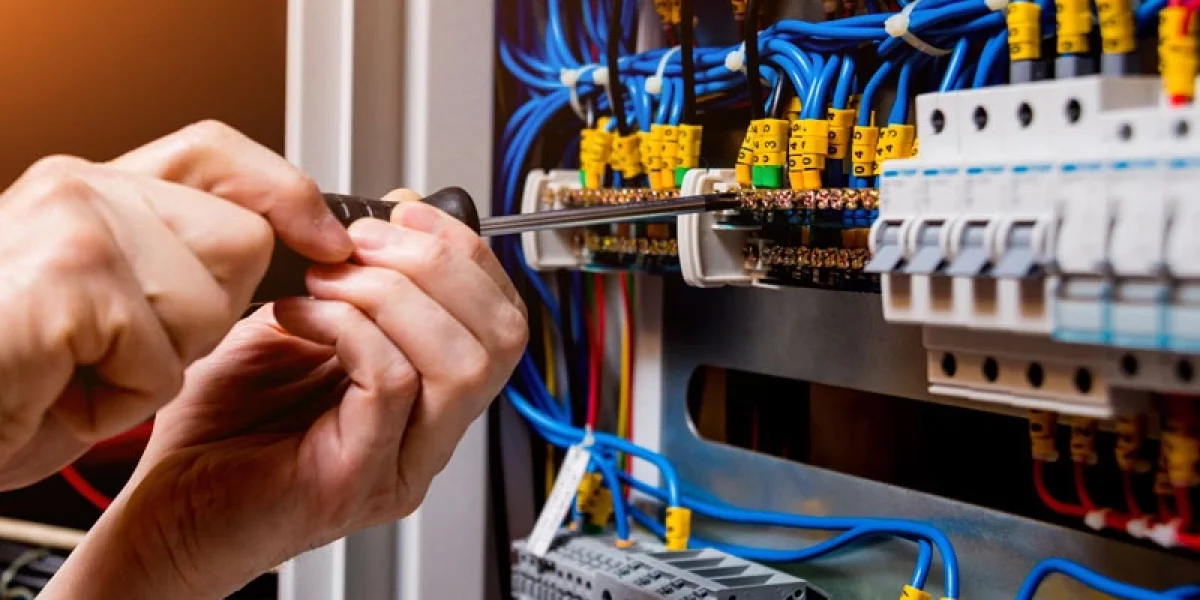
Outdated electrical wiring presents significant risks, including increased likelihood of fires and electrical failures. Upgrading these systems not only enhances safety but also improves energy efficiency. This modernization aligns with the demands of newer appliances and smart technologies. Homeowners should be aware of specific indicators that signal the need for an upgrade. Understanding these factors can lead to informed decisions about home safety and value enhancement, prompting further exploration of the benefits involved.
Key Takeaways
- Upgrading old electrical wiring enhances safety by reducing the risks of electrical hazards and potential fires associated with outdated systems.
Modern wiring supports smart home technologies, enabling a connected and efficient living environment for contemporary lifestyles. - Improved energy efficiency from upgraded systems leads to lower utility bills, promoting financial well-being for homeowners.
- Compliance with current safety standards increases property value and marketability, appealing to potential buyers and ensuring a well-maintained home.
- Signs like flickering lights or tripped breakers indicate the need for upgrades, preventing further complications and ensuring reliable power supply.
Understanding the Risks of Old Electrical Wiring
What hidden dangers lie within the walls of an aging home? Old electrical wiring presents significant risks that can jeopardize both safety and comfort. Aging systems may exhibit fraying insulation, outdated components, or insufficient capacity for modern demands, leading to increased hazards such as electrical fires or short circuits. Additionally, the deterioration of wiring can cause erratic power supply, resulting in malfunctioning appliances and potential damage. Homeowners must understand the implications of these risks and consider why upgrade old electrical wiring is essential for their well-being. Outdated wiring not only fails to support contemporary electrical loads but also increases vulnerability to fluctuations, making it imperative to address these hazards proactively for a secure living environment.
Benefits of Upgrading Your Electrical System
Upgrading an electrical system not only enhances safety but also greatly improves a home’s functionality and efficiency. An updated electrical system accommodates modern appliances and technologies that require higher power demands, reducing the risk of overloading circuits. Enhanced energy efficiency minimizes wastage, leading to lower utility bills, which fosters a sense of community and financial well-being among homeowners. Furthermore, improved wiring systems can support smart home technologies, contributing to a more connected and user-friendly environment. Additionally, newer electrical systems often incorporate advanced features such as surge protection and improved grounding, further ensuring the safety of residents. Fundamentally, the decision to upgrade old electrical wiring is a proactive step toward a safer, smarter home, instilling confidence and fostering a sense of belonging.
Signs That Indicate It’s Time for an Upgrade
Identifying the signs that indicate it’s time for an upgrade in electrical wiring is essential for maintaining safety and efficiency in a home. Common indicators include frequently tripped circuit breakers, flickering lights, and the presence of two-pronged outlets, which can signify outdated wiring systems. Additionally, an unusual burning smell or the presence of scorch marks around outlets suggests overheating, necessitating immediate attention. Homeowners should also be wary of electrical appliances demanding higher wattage than the existing wiring can handle, as this may lead to dangerous overloads. Finally, homes older than 30 years often require a thorough inspection, as they may not meet current safety standards. Recognizing these signs is vital in understanding why upgrading old electrical wiring is important for a safer living environment.
How Upgrading Old Electrical Wiring Enhances Home Value
Investing in a home’s electrical infrastructure can considerably enhance its overall value. Upgrading old electrical wiring not only adheres to modern safety standards but also improves energy efficiency, making properties more appealing to potential buyers. Homes equipped with updated wiring systems often command higher market prices, as they reduce the risk of electrical hazards, such as fires and shocks. Additionally, enhanced wiring supports contemporary technology demands, accommodating smart home installations that resonate with today’s tech-savvy buyers. This proactive measure signals to prospective homeowners that the property is well-maintained, reflecting a commitment to safety and functionality. Consequently, the decision to upgrade old electrical wiring is a strategic investment that directly correlates with increased home value and desirability in the competitive real estate market.
Steps to Take When Upgrading Your Electrical Wiring
When homeowners decide to enhance their electrical systems, a systematic approach is fundamental to guarantee safety and compliance with current regulations. The first step involves conducting a thorough assessment of existing wiring, identifying outdated materials like aluminum or knob-and-tube systems. Next, homeowners should consult with a licensed electrician to develop a detailed upgrade plan, incorporating modern wiring standards and safety codes. Securing necessary permits is essential to confirm compliance with local building regulations. During the installation phase, it is important to replace old circuits, outlets, and panels with high-quality components. Finally, a post-upgrade inspection should be performed to verify that all work meets required standards. By following these steps, homeowners will understand why upgrading old electrical wiring is a significant investment in safety and efficiency.
Frequently Asked Questions
How Long Does It Take to Upgrade Electrical Wiring?
Upgrading electrical wiring typically takes between one to three days, depending on the home’s size and complexity. A professional assessment can provide a more accurate timeline, ensuring all safety standards and requirements are met efficiently.
What Is the Average Cost of Upgrading Old Wiring?
The average cost of upgrading old wiring typically ranges from $1,500 to $3,000, depending on home size, existing infrastructure, and local labor rates. This investment enhances safety and efficiency, ensuring long-term benefits for homeowners.
Can I Upgrade Wiring Myself or Hire a Professional?
While individuals can attempt to upgrade wiring themselves, hiring a professional is recommended for safety, compliance with local codes, and ensuring proper installation. Expertise minimizes risks associated with electrical systems, enhancing overall home safety and functionality.
Will Upgrading Wiring Improve Energy Efficiency?
Upgrading old electrical wiring can greatly improve energy efficiency. Newer wiring systems reduce resistance, minimize energy loss, and accommodate modern appliances, ultimately leading to lower utility bills and a more sustainable home environment for occupants.
Are There Specific Materials Recommended for Wiring Upgrades?
Copper wiring is commonly recommended for upgrades due to its superior conductivity and durability. Additionally, using PVC insulation enhances safety and efficiency, while aluminum may serve as a cost-effective alternative for certain applications, depending on specific needs.
Conclusion
To sum up, upgrading old electrical wiring is a critical investment for enhancing home safety and functionality. By addressing the inherent risks associated with outdated systems, homeowners not only protect their property from potential hazards but also improve energy efficiency and accommodate modern technologies. This strategic enhancement contributes to increased property value and appeals to prospective buyers. Ultimately, prioritizing electrical upgrades reflects a commitment to creating a reliable and secure living environment, ensuring long-term benefits for homeowners.
May You Also Like To Read: