
In today’s competitive landscape, optimizing logistics isn’t just about efficiency; it’s a strategic move that can redefine your brand identity. By integrating advanced technologies like AI and real-time tracking, you can streamline operations and boost customer satisfaction. This shift not only enhances reliability but also positions your brand as innovative. But how exactly do these technologies transform perception and loyalty in your market? The answer lies in the strategic application of these tools.
Key Takeaways
- Implementing advanced Warehouse Management Systems (WMS) enhances order fulfillment speed, reinforcing your brand’s reputation for reliability and efficiency.
- Utilizing Transportation Management Systems (TMS) optimizes shipping routes, reducing costs and improving delivery times, which boosts customer satisfaction.
- Leveraging AI for data analysis enables tailored services that align with customer preferences, deepening engagement and loyalty to your brand.
- Real-time tracking and automated notifications provide transparency, fostering trust and enhancing your brand’s reliability in the eyes of customers.
- Embracing sustainability through logistics technologies positions your brand as eco-conscious, appealing to environmentally aware consumers and strengthening brand identity.
The Importance of Logistics Optimization in Modern Business
As businesses endeavor to stay competitive in an ever-evolving marketplace, the importance of logistics optimization cannot be overstated. It’s essential for you to understand that effective logistics can substantially enhance your operational efficiency and customer satisfaction. By streamlining processes, you not only reduce costs but also improve delivery times and responsiveness. This optimization leads to a more agile supply chain, fostering stronger relationships with your customers and partners. Additionally, leveraging the best technologies for logistics optimization allows you to gain real-time visibility into your operations, making data-driven decisions easier. Embracing these technologies positions your brand as innovative and reliable, ultimately boosting your identity in a crowded market. Prioritizing logistics optimization is vital for your brand’s long-term success and growth.
Exploring the Best Technologies for Logistics Optimization
When you explore the best technologies for logistics optimization, you’ll discover a range of tools designed to enhance efficiency and accuracy in supply chain management. These technologies not only streamline operations but also foster a sense of community among your team and partners. Here are three key technologies to evaluate:
- Warehouse Management Systems (WMS) – Automate inventory tracking, reducing errors and improving order fulfillment speed.
- Transportation Management Systems (TMS) – Optimize shipping routes and modes, ensuring cost-effective and timely deliveries.
- Artificial Intelligence (AI) – Analyze data patterns to predict demand and enhance decision-making processes.
How Technology Enhances Brand Visibility and Customer Satisfaction
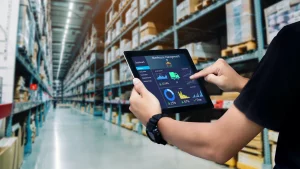
How can leveraging advanced logistics technologies elevate your brand visibility and enhance customer satisfaction? By streamlining operations and ensuring timely deliveries, you create a reliable experience that customers appreciate. Implementing real-time tracking and automated notifications keeps customers informed, fostering trust and loyalty. When your logistics are efficient, you can respond quickly to market demands, reinforcing your brand’s reputation as a leader in reliability. Additionally, data analytics helps you understand customer preferences and behaviors, allowing you to tailor your services accordingly. This personalized approach not only elevates your brand identity but also deepens customer engagement. Ultimately, by investing in the best technologies for logistics optimization, you set the stage for a stronger brand presence and heightened customer satisfaction.
Case Studies: Brands That Successfully Leveraged Logistics Technologies
Numerous brands have transformed their operations by integrating advanced logistics technologies, showcasing the considerable impact these innovations can have on overall performance and brand identity. Here are three notable case studies:
- Amazon: By utilizing AI-driven inventory management, Amazon has optimized its supply chain, ensuring faster delivery times and enhanced customer satisfaction.
- Zara: This fashion retailer employs real-time data analytics to streamline distribution, allowing for rapid response to market trends, thereby reinforcing its brand identity as trendy and responsive.
- Coca-Cola: Leveraging IoT for fleet management, Coca-Cola has improved delivery efficiency, resulting in reduced costs and a stronger brand reputation for reliability.
These examples illustrate how the best technologies for logistics optimization can greatly elevate your brand identity, driving both loyalty and growth.
Future Trends in Logistics Optimization and Their Impact on Brand Identity
As brands continue to embrace the best technologies for logistics optimization, emerging trends are set to redefine the landscape of supply chain management. Automation and artificial intelligence are reshaping operations, enabling faster decision-making and greater efficiency. As you adopt these innovations, you’ll enhance customer satisfaction and strengthen brand loyalty. Sustainability is another key trend; consumers increasingly favor brands committed to eco-friendly practices, making green logistics not just a trend but a necessity. Blockchain technology offers transparency and security, further boosting trust in your brand. By staying ahead of these trends, you create a distinctive brand identity that resonates with customers, fostering a sense of belonging and community. Ultimately, embracing these technologies positions you as a leader in your industry.
Conclusion
Incorporating cutting-edge technologies for logistics optimization isn’t just about efficiency; it’s a strategic move to elevate your brand identity. By leveraging AI, real-time tracking, and data analytics, you enhance customer satisfaction and visibility, positioning your brand as a leader in innovation. As you adapt to future trends, you’ll not only streamline operations but also foster deeper connections with your customers. Embracing these technologies is essential for cultivating a strong, positive perception in a competitive marketplace.
You May Also Like To Read: