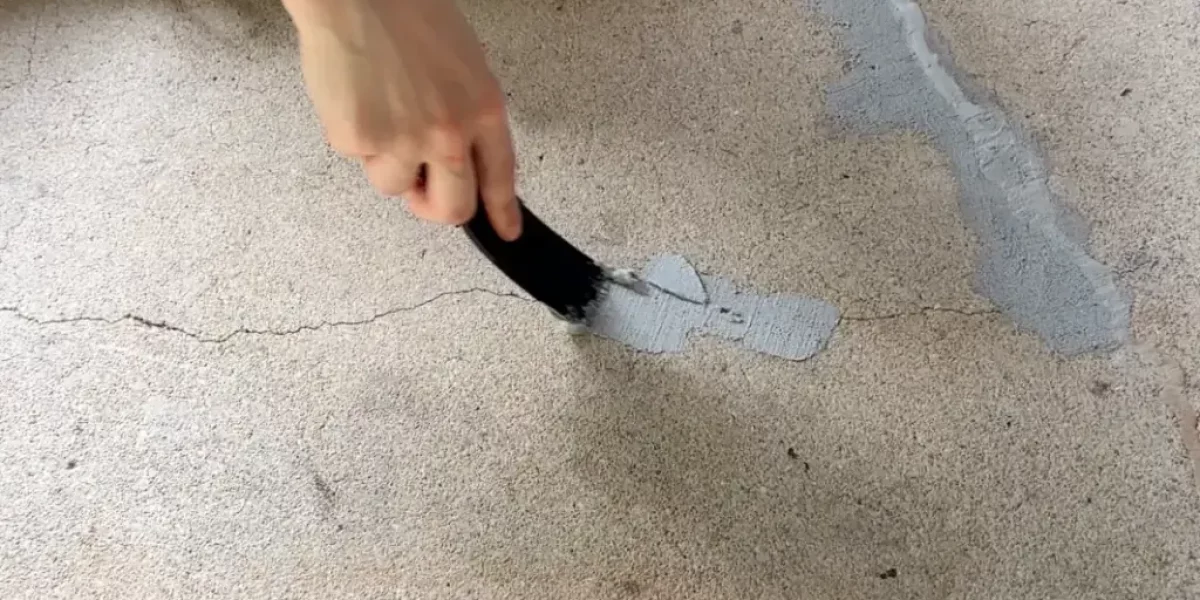
Repairing concrete cracks in parking lots is vital for maintaining the integrity of commercial properties. Cracks can lead to additional deterioration, impacting both safety and aesthetics. Various techniques are available, depending on crack size and severity. Understanding these methods is essential for effective repairs. Additionally, knowing when to seek professional assistance can save time and resources. The following sections will explore these techniques and preventive measures in detail.
Key Takeaways
- Use concrete crack filler for minor cracks to maintain structural integrity and enhance aesthetics.
- For medium-sized cracks, employ epoxy injection to restore strength and prevent further damage.
- Apply a concrete patching compound for larger cracks, ensuring a durable repair that lasts.
- Seal the repaired areas with sealants to protect against environmental factors and extend the surface life.
- Regularly inspect and maintain the parking lot to identify and address cracks early, preventing worsening conditions.
Why Repairing Concrete Cracks in Parking Lots Matters
Repairing concrete cracks in parking lots is essential for maintaining the structural integrity and aesthetic appeal of commercial properties. Over time, environmental factors, heavy traffic, and poor drainage can lead to cracks, which, if left unaddressed, can worsen and compromise the surface. This deterioration not only affects the usability of the parking lot but also detracts from the overall image of the property, potentially impacting customer perceptions and business operations. Understanding how to repair concrete cracks in parking lots is vital for property owners and managers, as timely interventions can prevent costly repairs down the line. Proper maintenance fosters a safe environment for vehicles and pedestrians alike, ensuring that the commercial space remains functional and inviting.
Techniques for Repairing Concrete Cracks in Parking Lots
Addressing concrete cracks in parking lots requires a systematic approach to guarantee long-lasting results. Various techniques exist for effectively repairing these cracks. For minor cracks, a concrete crack filler can be utilized, providing a seamless finish that blends with the surrounding surface. For medium-sized cracks, epoxy injection is recommended, as it restores structural integrity and prevents water infiltration. Larger cracks may necessitate the use of a concrete patching compound, which involves removing damaged concrete and applying a new layer. Additionally, sealants can be applied post-repair to enhance durability and protect against future damage. Employing these techniques ensures the longevity of parking lot surfaces, ultimately safeguarding commercial properties against deterioration and maintaining a professional appearance.
When Should You Call Professionals for Repairing Concrete Cracks in Parking Lots?
Determining the appropriate time to engage professionals for repairing concrete cracks in parking lots is essential for maintaining structural integrity and safety. Property managers should consider professional intervention when cracks exceed a quarter-inch in width, indicating potential underlying issues. Moreover, if multiple cracks are present or if they exhibit signs of displacement or undermining, expert evaluation is warranted. Professional services are also advisable when repairs require specialized equipment or techniques, such as injecting epoxy or resurfacing. In addition, if aesthetic considerations or compliance with safety regulations are a concern, enlisting qualified contractors guarantees appropriate solutions. Timely professional involvement not only enhances safety but also extends the life of the parking surface, protecting the investment in commercial properties.
Preventive Measures to Avoid Future Cracks in Parking Lots
Implementing preventive measures is essential for minimizing the occurrence of future cracks in parking lots. Regular maintenance, including sealcoating, protects the concrete surface from moisture and UV damage. Additionally, proper drainage systems should be installed to divert water away, reducing hydrostatic pressure that can lead to cracking. Routine inspections are vital for identifying early signs of deterioration, allowing for timely interventions. Furthermore, using high-quality materials during construction can enhance durability and resistance to environmental stressors. Proper traffic management, such as weight limits for heavy vehicles, can also mitigate damage. By adopting these strategies, property managers can greatly extend the lifespan of parking lots, ensuring a safe and inviting environment for all users while reducing the need for repairs.
Cost Considerations for Repairing Concrete Cracks in Parking Lots
Repairing concrete cracks in parking lots involves several critical cost considerations that property managers must evaluate. Understanding these factors guarantees informed decision-making and resource allocation.
- Material Costs: The price of sealants, fillers, and other repair materials varies greatly, impacting overall expenses.
- Labor Expenses: Skilled labor may demand higher wages, particularly for complex repairs, which can affect the budget.
- Long-term Maintenance: Investing in quality repairs may incur higher initial costs but can reduce long-term expenses by preventing further damage.
Frequently Asked Questions
What Tools Are Needed for Repairing Concrete Cracks in Parking Lots?
Essential tools for repairing concrete cracks in parking lots include a concrete chisel, wire brush, vacuum, crack filler, caulking gun, trowel, and safety gear. These instruments guarantee effective and lasting repairs to damaged surfaces.
How Long Does It Take to Repair Concrete Cracks in Parking Lots?
Repairing concrete cracks in parking lots typically requires two to four hours for minor fixes, while larger, more extensive repairs may take up to a day. Factors such as weather and materials can influence completion time.
Can I Repair Concrete Cracks in Parking Lots During Winter?
Repairing concrete cracks in parking lots during winter is possible, but requires specific materials designed for cold weather. Proper temperature conditions and techniques are essential to guarantee effective adhesion and durability of the repair.
What Types of Materials Are Best for Repairing Concrete Cracks in Parking Lots?
Epoxy resins, polyurethane sealants, and specialized concrete patching compounds are ideal materials for repairing concrete cracks in parking lots. These options provide durability, flexibility, and resistance to weather conditions, ensuring long-lasting repairs and enhanced structural integrity.
Is It Safe to Park on Repaired Concrete Cracks Immediately?
Parking on repaired concrete cracks immediately is generally not advisable. Allowing adequate curing time, typically 24 to 48 hours, guarantees structural integrity and longevity, minimizing potential damage and providing a safe environment for vehicles.
Conclusion
In summary, repairing concrete cracks in parking lots is essential for maintaining the structural integrity and aesthetic appeal of commercial properties. By employing appropriate techniques based on crack size and implementing preventive measures, property owners can greatly extend the lifespan of their parking surfaces. Regular inspections and timely interventions not only enhance safety but also contribute to long-term cost savings. Ultimately, proactive maintenance guarantees a functional and inviting environment for customers and visitors alike.
You May Also Like To Read: